
Back to Course
Language Arts 6th Grade
-
Parts of Speech6 Topics|40 Quizzes
-
Subject, Object, and Possessive Pronouns
-
Identify Subject Pronouns
-
Identify Object Pronouns
-
Choose Between Subject and Object Pronouns
-
Use a Subject Pronoun as Part of a Compound Subject
-
Use an Object Pronoun as Part of a Compound Object
-
Use the Correct Pronoun Following “to be”
-
Use the Correct Pronoun in Comparisons
-
Identify Possessive Pronouns
-
Use the Correct Possessive Pronoun
-
Use the Correct Pronoun
-
Identify Subject Pronouns
-
Lesson Test: Subject, Object, and Possessive Pronouns
-
Identify Subject Pronouns
-
Identify Object Pronouns
-
Choose Between Subject and Object Pronouns
-
Use a Subject Pronoun as Part of a Compound Subject
-
Use an Object Pronoun as Part of a Compound Object
-
Use the Correct Pronoun Following “to be”
-
Use the Correct Pronoun in Comparisons
-
Identify Possessive Pronouns
-
Use the Correct Possessive Pronoun
-
Use the Correct Pronoun
-
Identify Subject Pronouns
-
Intensive Pronouns
-
Lesson Test: Intensive Pronouns
-
Pronouns and Antecedents
-
Lesson Test: Pronouns and Antecedents
-
Subject, Object, and Possessive Pronouns
-
Standard Language2 Topics|6 Quizzes
-
Mechanics2 Topics|8 Quizzes
-
Sentence Structure6 Topics|20 Quizzes
-
Independent and Dependent Clauses
-
Lesson Test: Independent and Dependent Clauses
-
Simple, Compound, Complex, and Compound-Complex Sentences
-
Lesson Test: Simple, Compound, Complex, and Compound-Complex Sentences
-
Declarative, Exclamatory, Imperative, and Interrogative Sentences
-
Lesson Test: Declarative, Exclamatory, Imperative, and Interrogative Sentences
-
Independent and Dependent Clauses
-
Style and Tone2 Topics|14 Quizzes
-
Vocabulary Strategies and Use4 Topics|40 Quizzes
-
Context Clues
-
Lesson Test: Context Clues
-
Affixes and Root Words
-
Use Prefixes to Interpret New Words 1 (Part 1)
-
Use Prefixes to Interpret New Words 1 (Part 2)
-
Use Prefixes to Interpret New Words 2 (Part 1)
-
Use Prefixes to Interpret New Words 2 (Part 2)
-
Use Prefixes to Interpret New Words 3 (Part 1)
-
Use Prefixes to Interpret New Words 3 (Part 2)
-
Use Suffixes to Interpret New Words 1 (Part 1)
-
Use Suffixes to Interpret New Words 1 (Part 2)
-
Use Suffixes to Interpret New Words 2 (Part 1)
-
Use Suffixes to Sort Words by Part of Speech
-
Use Greek and Latin Roots to Interpret New Words 1 (Part 1)
-
Use Greek and Latin Roots to Interpret New Words 1 (Part 2)
-
Use Greek and Latin Roots to Interpret New Words 1 (Part 3)
-
Use Greek and Latin Roots to Interpret New Words 1 (Part 4)
-
Use Greek and Latin Roots to Interpret New Words 2 (Part 1)
-
Use Greek and Latin Roots to Interpret New Words 2 (Part 2)
-
Use Greek and Latin Roots to Interpret New Words 2 (Part 3)
-
Use Greek and Latin Roots to Interpret New Words 2 (Part 4)
-
Make Connections Among Words that Share Affixes or Roots
-
Use Prefixes to Interpret New Words 1 (Part 1)
-
Lesson Test: Affixes and Root Words
-
Use Prefixes to Interpret New Words 1
-
Use Prefixes to Interpret New Words 2
-
Use Prefixes to Interpret New Words 3
-
Use Suffixes to Interpret New Words 1
-
Use Suffixes to Interpret New Words 2
-
Use Suffixes to Sort Words by Part of Speech
-
Use Greek and Latin Roots to Interpret New Words 1
-
Use Greek and Latin Roots to Interpret New Words 2
-
Make Connections Among Words that Share Affixes or Roots
-
Use Prefixes to Interpret New Words 1
-
Context Clues
-
Figurative and Descriptive Language6 Topics|36 Quizzes
-
Figurative Language
-
Identify Instances of Alliteration
-
Identify Instances of Onomatopoeia
-
Identify Similes and Metaphors
-
Determine the Meaning of Similes and Metaphors in Context
-
Identify Personification in a Sentence
-
Interpret Personification in Context
-
Interpret Common Idioms in Context
-
Interpret Common Adages and Proverbs in Context
-
Identify Instances of Alliteration
-
Lesson Test: Figurative Language
-
Identify Instances of Alliteration
-
Identify Instances of Onomatopoeia
-
Identify Similes and Metaphors
-
Determine the Meaning of Similes and Metaphors in Context
-
Identify Personification in a Sentence
-
Interpret Personification in Context
-
Interpret Common Idioms in Context
-
Interpret Common Adages and Proverbs in Context
-
Identify Instances of Alliteration
-
Analogies
-
Lesson Test: Analogies
-
Word Meanings and Connotations
-
Lesson Test: Word Meanings and Connotations
-
Figurative Language
-
Reference Materials2 Topics|16 Quizzes
-
Dictionaries, Glossaries, and Thesauruses
-
Differentiate Between Dictionaries, Glossaries, and Thesauruses
-
Use Guide Words
-
Identify the Parts of a Dictionary Entry
-
Use a Dictionary Entry to Determine a Word’s Part of Speech
-
Choose the Correct Definition from a Dictionary Entry
-
Use a Dictionary Entry to Determine the Pronunciation of an Unfamiliar Word
-
Use a Thesaurus
-
Use a Glossary
-
Differentiate Between Dictionaries, Glossaries, and Thesauruses
-
Lesson Test: Dictionaries, Glossaries, and Thesauruses
-
Differentiate Between Dictionaries, Glossaries, and Thesauruses
-
Use Guide Words
-
Identify the Parts of a Dictionary Entry
-
Use a Dictionary Entry to Determine a Word’s Part of Speech
-
Choose the Correct Definition from a Dictionary Entry
-
Use a Dictionary Entry to Determine the Pronunciation of an Unfamiliar Word
-
Use a Thesaurus
-
Use a Glossary
-
Differentiate Between Dictionaries, Glossaries, and Thesauruses
-
Dictionaries, Glossaries, and Thesauruses
Deprecated: is_quiz_accessable is deprecated since version 3.4.0! Use learndash_is_quiz_accessable instead. in /home/succes48/successtutoring.us/wp-includes/functions.php on line 5213
Time limit: 0
Quiz Summary
0 of 20 Questions completed
Questions:
Information
You have already completed the quiz before. Hence you can not start it again.
Quiz is loading…
You must sign in or sign up to start the quiz.
You must first complete the following:
Results
Quiz complete. Results are being recorded.
Results
0 of 20 Questions answered correctly
Your time:
Time has elapsed
You have reached 0 of 0 point(s), (0)
Earned Point(s): 0 of 0, (0)
0 Essay(s) Pending (Possible Point(s): 0)
Categories
- Not categorized 0%
- 1
- 2
- 3
- 4
- 5
- 6
- 7
- 8
- 9
- 10
- 11
- 12
- 13
- 14
- 15
- 16
- 17
- 18
- 19
- 20
- Current
- Review
- Answered
- Correct
- Incorrect
-
Question 1 of 20
1. Question
Click on the section of the thesaurus entry that shows words that have the same meaning as false.
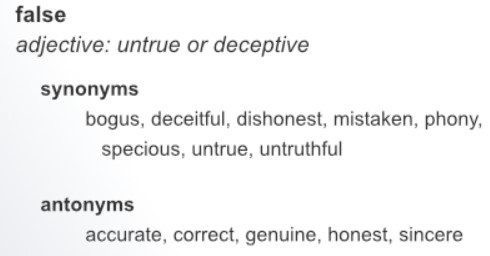 CorrectIncorrect
 -
Question 2 of 20
2. Question
Click on the section of the thesaurus entry that shows words that have the opposite meaning of sea.
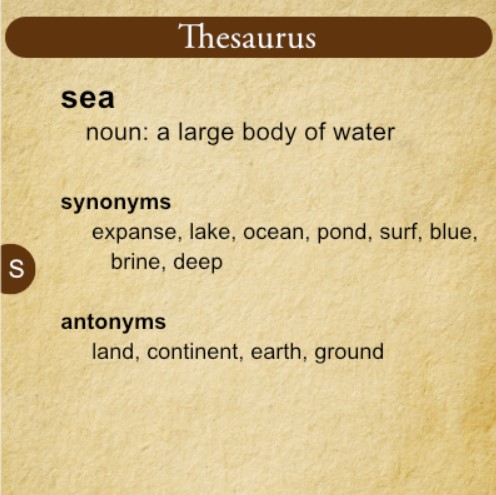 CorrectIncorrect
 -
Question 3 of 20
3. Question
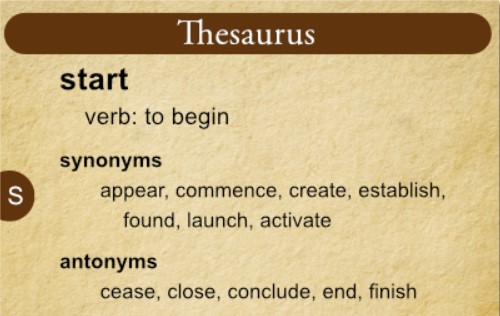
Based on the thesaurus entry, which words mean the opposite of start as it is used in the sentence below?The group will start their tour in a few minutes.
CorrectIncorrect -
Question 4 of 20
4. Question
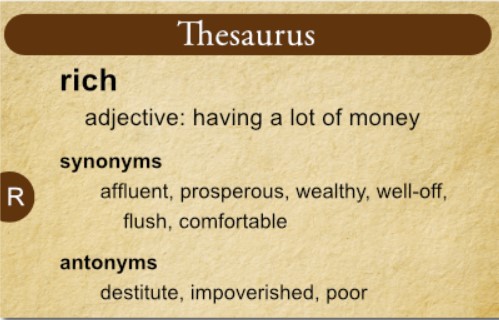
Based on the thesaurus entry, which words could replace rich in the passage below?Rachel’s family must be rich! They are going to travel across Europe this summer.
CorrectIncorrect -
Question 5 of 20
5. Question
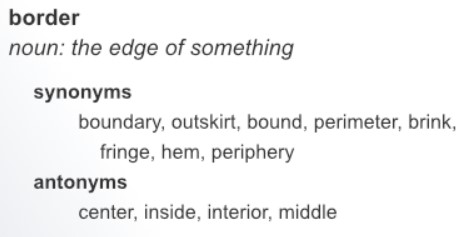
Based on the thesaurus entry, which words mean the opposite of border as it is used in the sentence below?The border between the cities ran alongside Main Street.
CorrectIncorrect -
Question 6 of 20
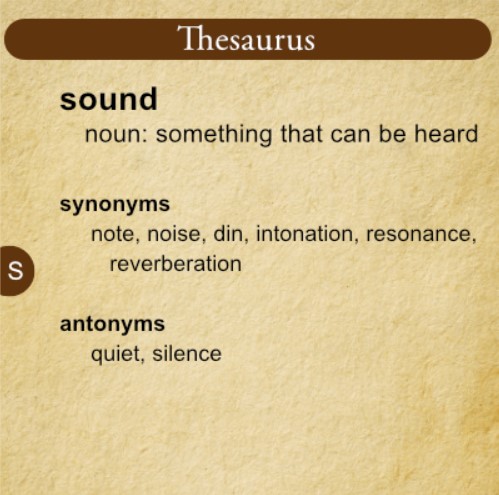
6. Question
Click on the section of the thesaurus entry that shows words that have the opposite meaning of sound.
 CorrectIncorrect
 -
Question 7 of 20
7. Question
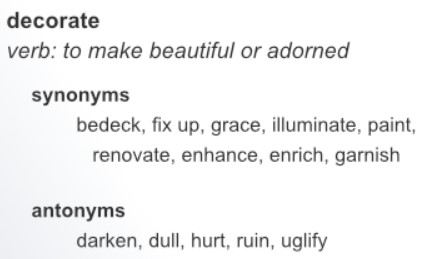
Click on the section of the thesaurus entry that shows words that have the same meaning as decorate.
 CorrectIncorrect
 -
Question 8 of 20
8. Question
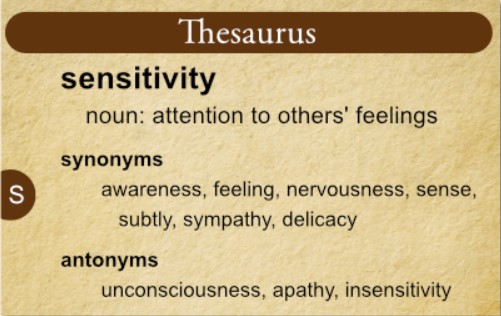
Based on the thesaurus entry, which words could replace sensitivity in the sentence below?Alexa was known for her sensitivity when her friends were having trouble.
CorrectIncorrect -
Question 9 of 20
9. Question
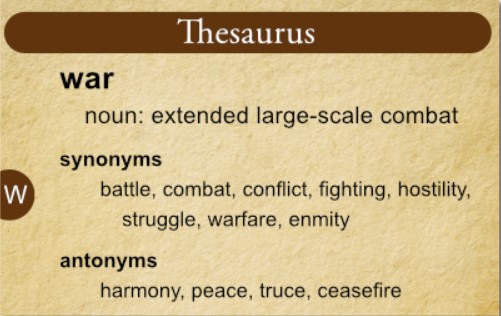
Based on the thesaurus entry, which words mean the opposite of war as it is used in the sentence below?As soon as the water balloons were ready, the red team declared war on the blue team.
CorrectIncorrect -
Question 10 of 20
10. Question
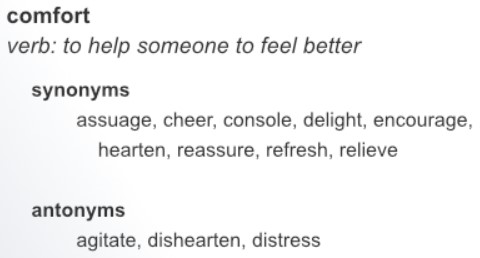
Based on the thesaurus entry, which words mean the opposite of comfort as it is used in the sentence below?The dog tries to comfort its owner when he feels upset.
CorrectIncorrect -
Question 11 of 20
11. Question
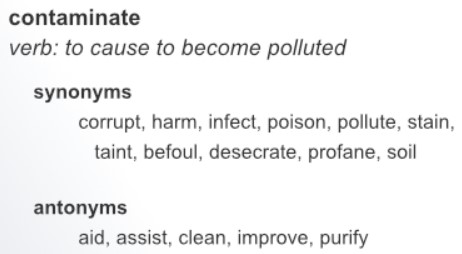
Click on the section of the thesaurus entry that shows words that have the opposite meaning of contaminate.
 CorrectIncorrect
 -
Question 12 of 20
12. Question
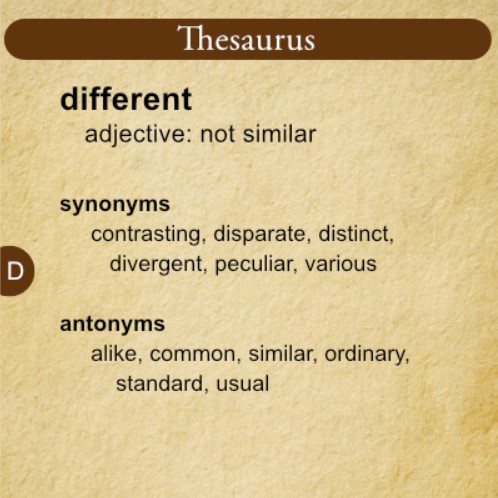
Click on the section of the thesaurus entry that shows words that have the same meaning as different.
 CorrectIncorrect
 -
Question 13 of 20
13. Question
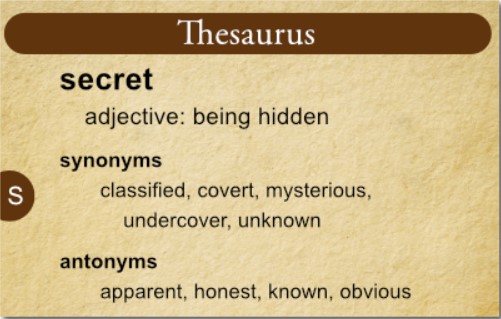
Based on the thesaurus entry, which words could replace secret in the sentence below?The spy in the novel received a secret file from the government agency.
CorrectIncorrect -
Question 14 of 20
14. Question
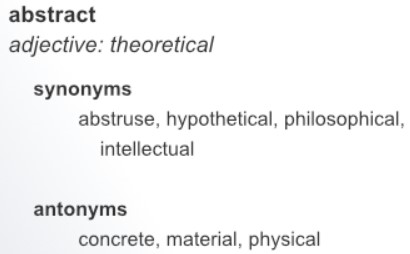
Based on the thesaurus entry, which words mean the opposite of abstract as it is used in the sentence below?The teacher started the class with physical experiments before moving onto more abstract concepts.
CorrectIncorrect -
Question 15 of 20
15. Question
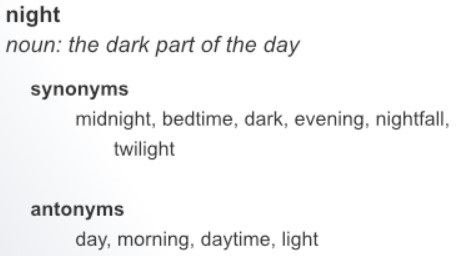
Based on the thesaurus entry, which words could replace night in the sentence below?Amy likes to stay home when it is night.
CorrectIncorrect -
Question 16 of 20
16. Question
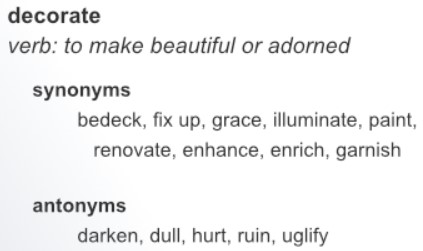
Click on the section of the thesaurus entry that shows words that have the opposite meaning of decorate.
 CorrectIncorrect
 -
Question 17 of 20
17. Question
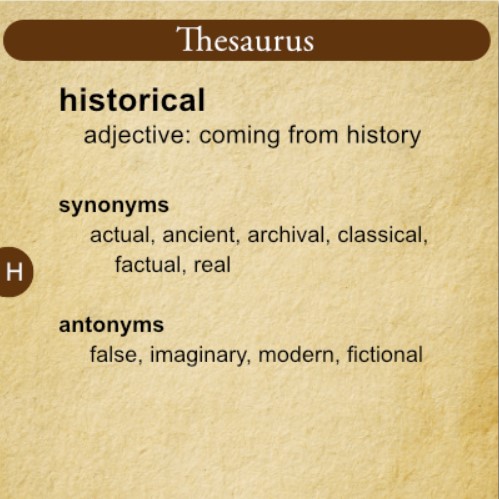
Click on the section of the thesaurus entry that shows words that have the same meaning as historical.
 CorrectIncorrect
 -
Question 18 of 20
18. Question
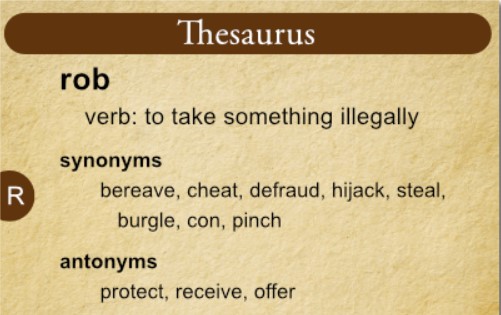
Based on the thesaurus entry, which words could replace rob in the sentence below?Jackie had a dream that someone decided to rob her, taking a squirrel from her.
CorrectIncorrect -
Question 19 of 20
19. Question
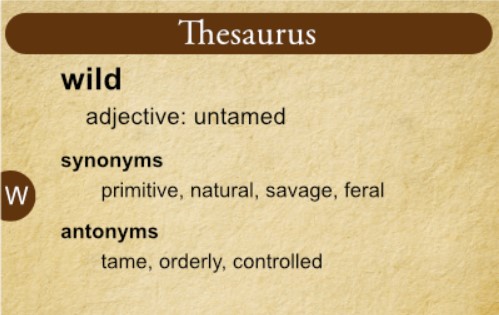
Based on the thesaurus entry, which words mean the opposite of wild as it is used in the sentence below?Ray discovered a wild badger raising its young near his campsite.
CorrectIncorrect -
Question 20 of 20
20. Question
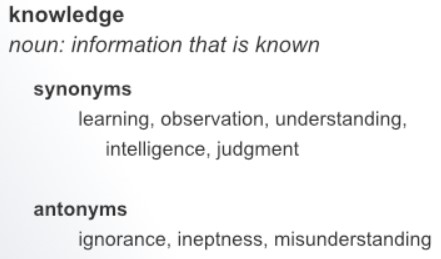
Based on the thesaurus entry, which words could replace knowledge in the sentence below?The professor demonstrated her knowledge by writing a brilliant essay.
CorrectIncorrect